I’ve always had a green thumb—whether it was sneaking seeds from my grandfather’s garden as a kid or wrestling with tomato plants in my first apartment. Now, I’m here to share the joy of growing things, from easy-care houseplants to bold backyard experiments. My approach is simple: practical advice, real stories, and a little bit of the magic that happens when you get your hands in the dirt.
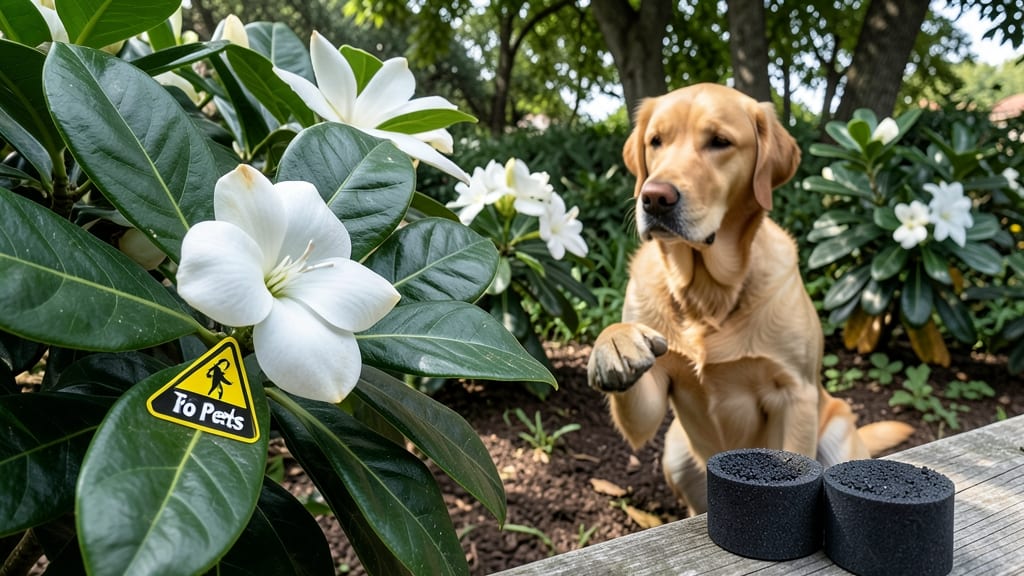
💥 Quick Answer Gardenias are toxic to pets and humans because their leaves, flowers, and seeds contain harmful compounds like saponins and grayanotoxins, which can trigger vomiting, diarrhea, and skin irritation upon…
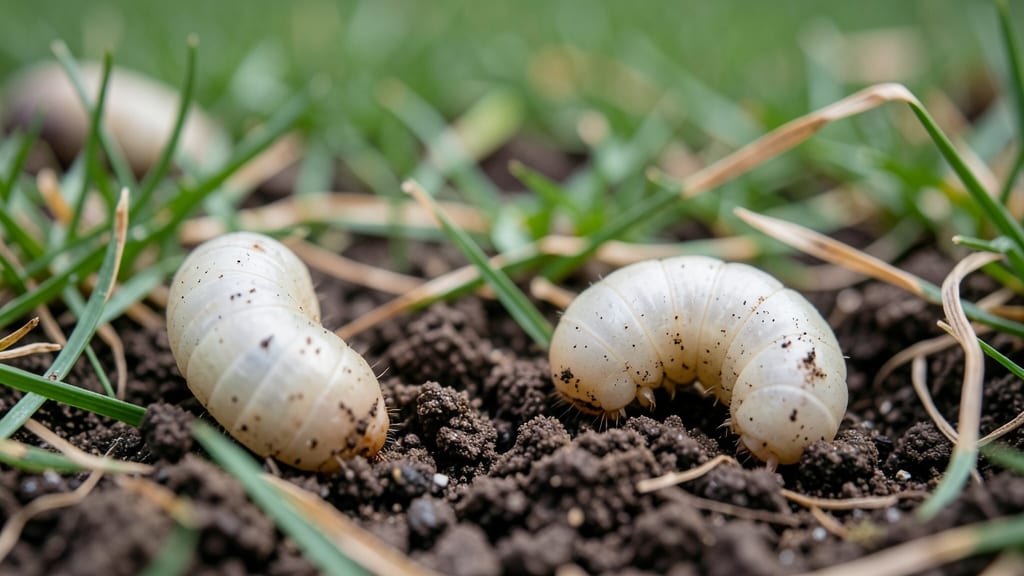
💥 Quick Answer Grubs are bad for your garden because they feed on plant roots, weakening grass and garden plants, often causing yellowing, wilting, or dead patches. Severe infestations can kill lawns entirely if left…
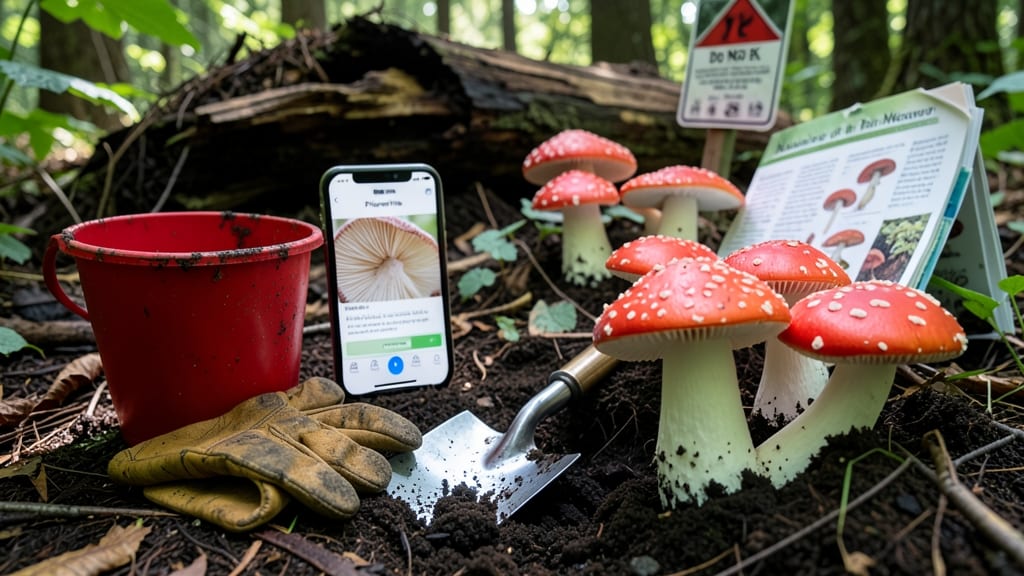
💥 Quick Answer Mushrooms in your garden aren’t always bad—many are harmless decomposers that break down organic matter, while others may signal soil problems or compete with plants for nutrients. Always identify the…
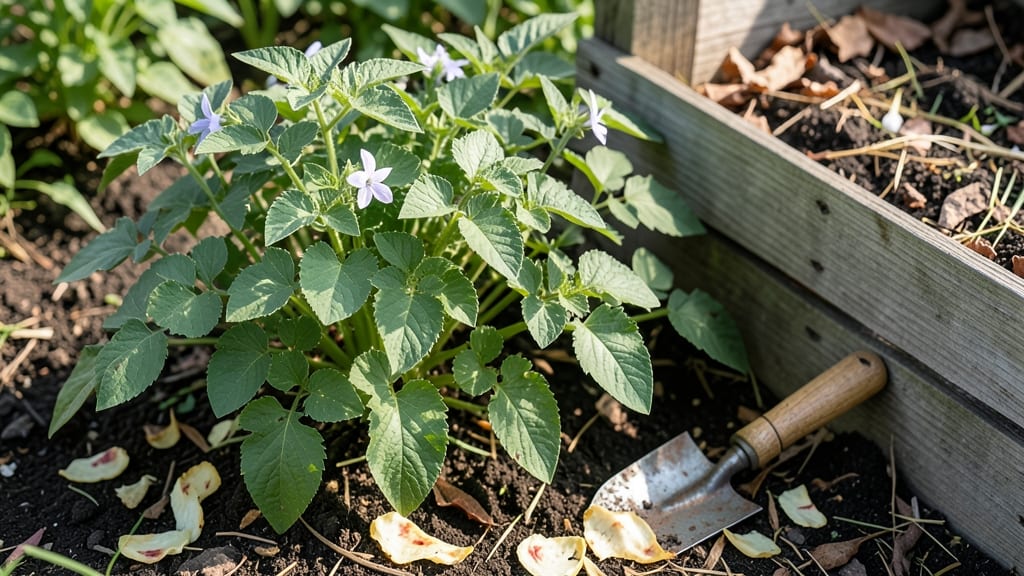
💥 Quick Answer Potato peels are good for the garden when composted properly, providing nitrogen-rich organic matter that enriches soil and supports microbial activity, though they should never be used fresh due to…
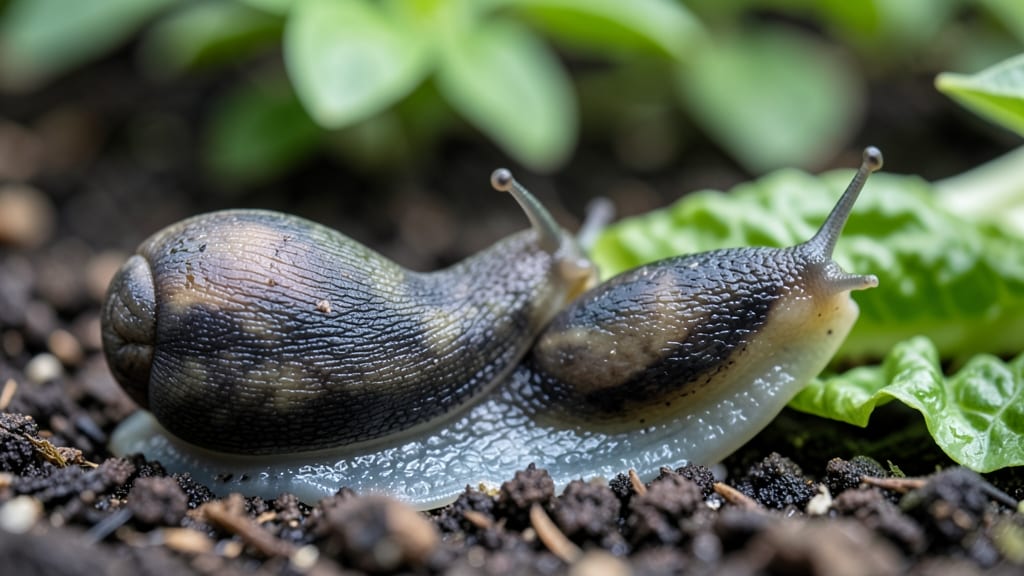
💥 Quick Answer Slugs are bad for gardens because they devour young seedlings, leaves, and flowers, leaving behind ragged holes and often killing tender plants overnight. Their feeding habits can stunt growth and destroy…
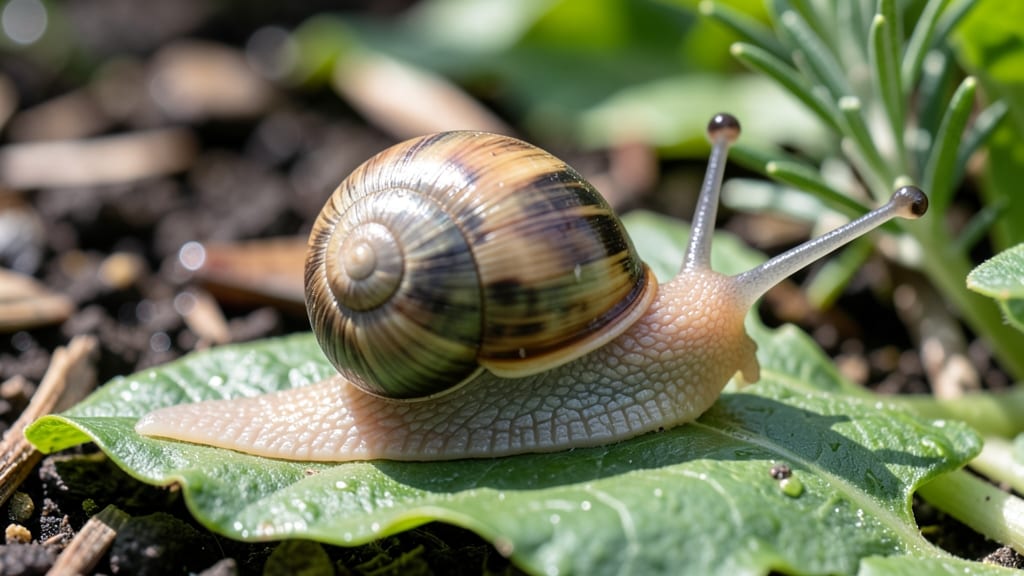
💥 Quick Answer Snails are bad for your garden because they devour leaves, stems, and flowers, creating slime trails and irregular feeding holes that can stunt plant growth or kill vulnerable seedlings overnight. These…
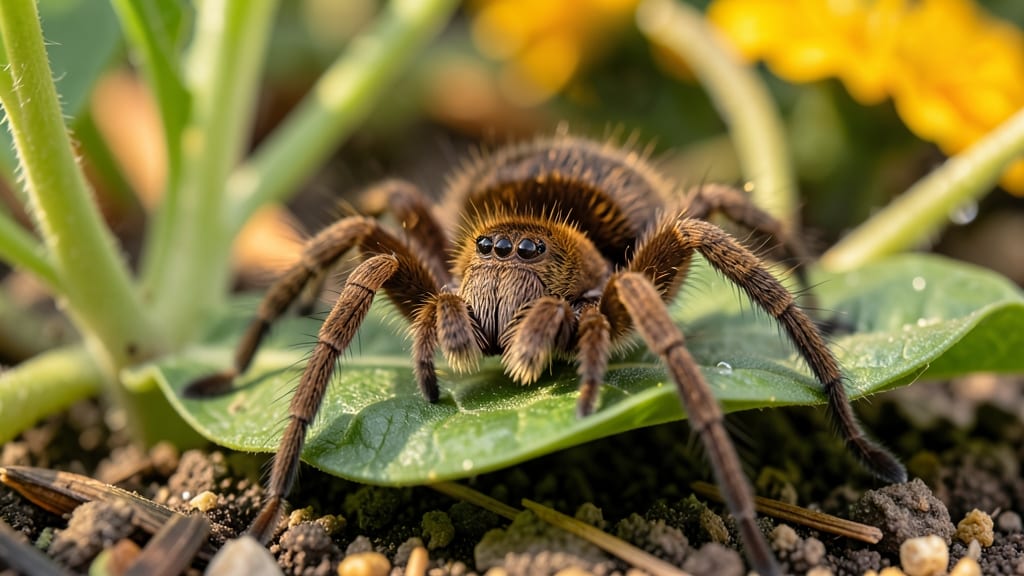
💥 Quick Answer Spiders are highly beneficial in the garden, acting as natural pest controllers by preying on insects like aphids, mosquitoes, and beetles, reducing the need for chemical pesticides while supporting…
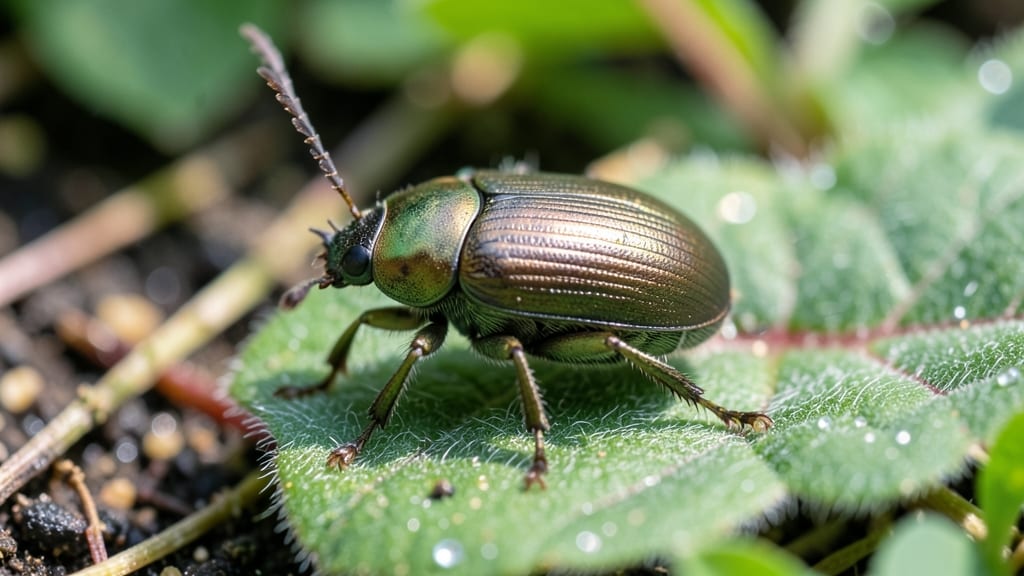
The Asiatic garden beetle is a stealthy destroyer of gardens, stripping leaves and flowers overnight before you even notice. Picture this: you step outside after dark, and your beet greens 🌱 look like Swiss cheese…
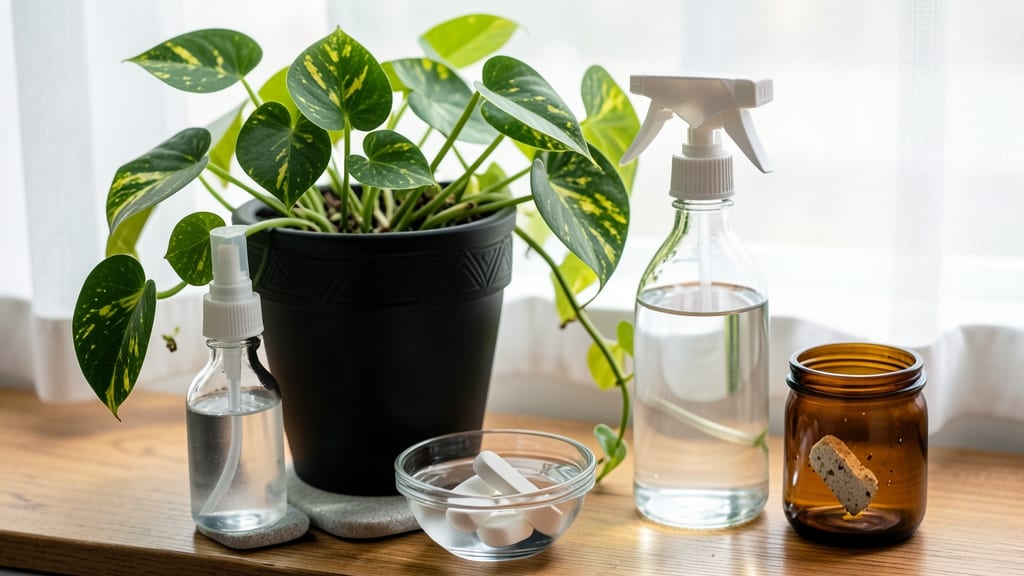
💥 Quick Answer Using aspirin for garden pests involves crushing tablets into water (1-2 tablets per gallon) and spraying foliage to deter aphids, spider mites, and fungal diseases. The salicylic acid strengthens plant…
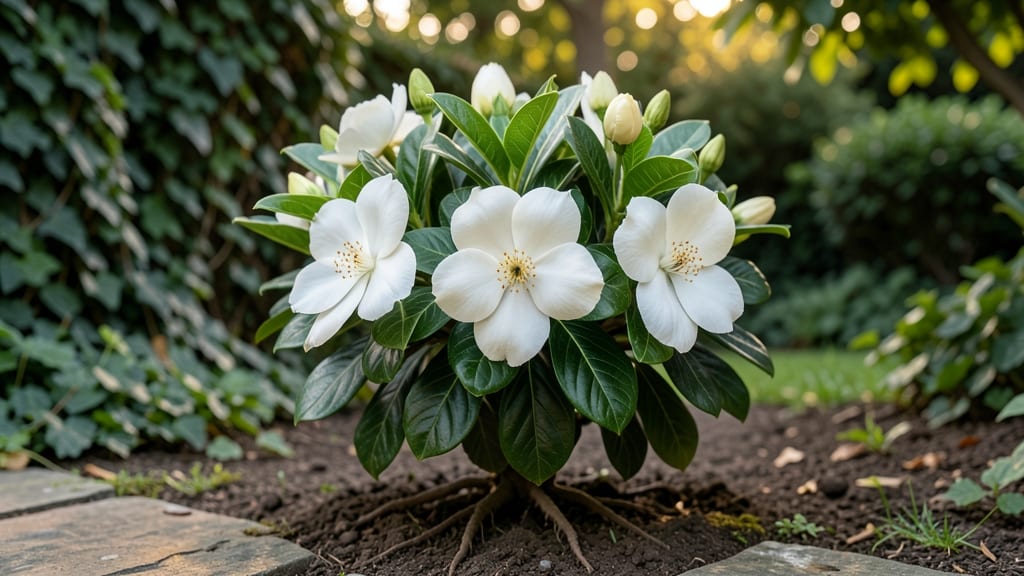
The August Beauty Gardenia boasts a steady growth rate of 12–18 inches per year once established, with blooms arriving by year three—faster than you might expect if you’re used to slower gardenias. If you’ve ever planted…